
Plywood: A Simple Guide to Choosing the Right Wood for Your Home

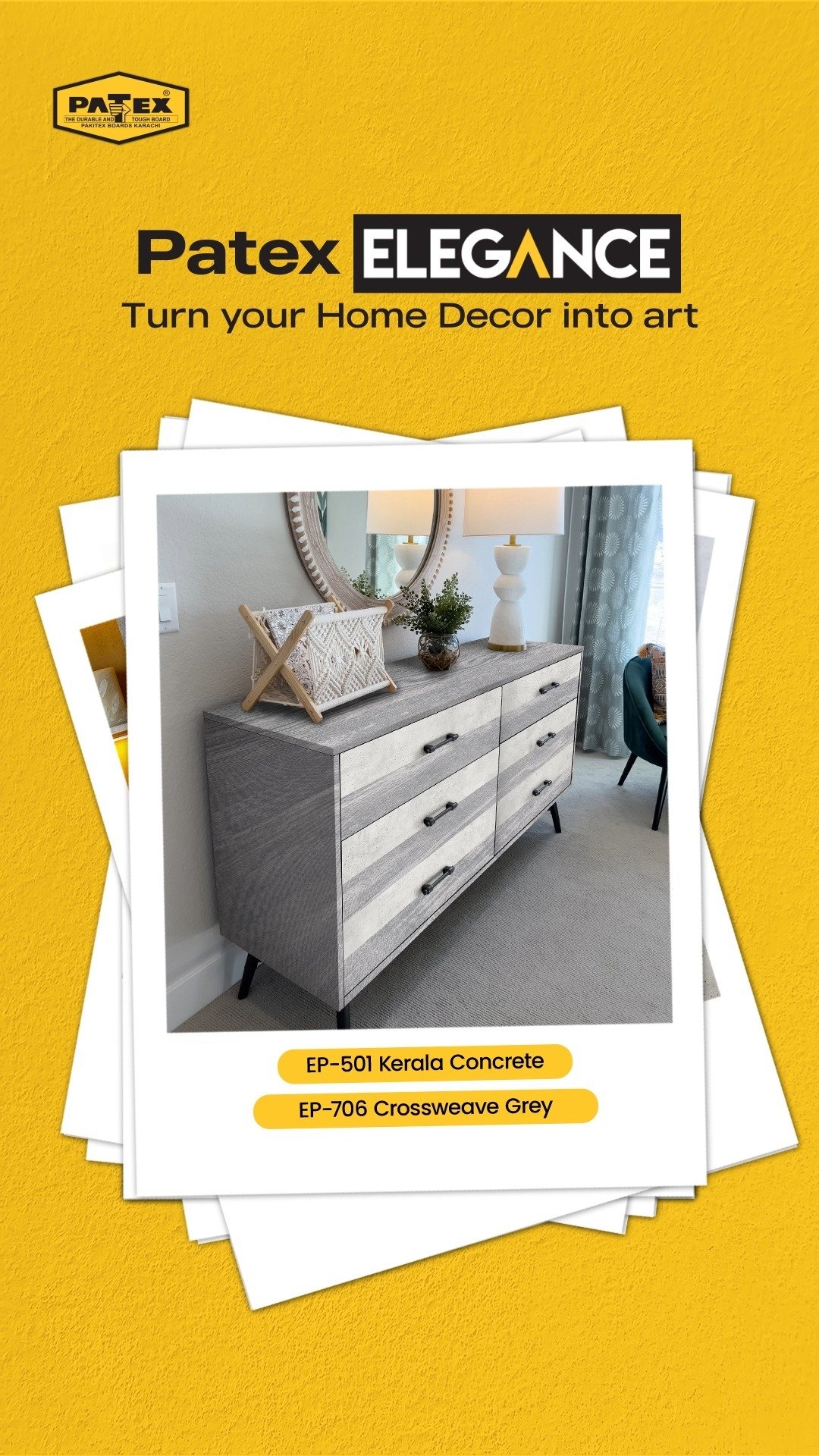
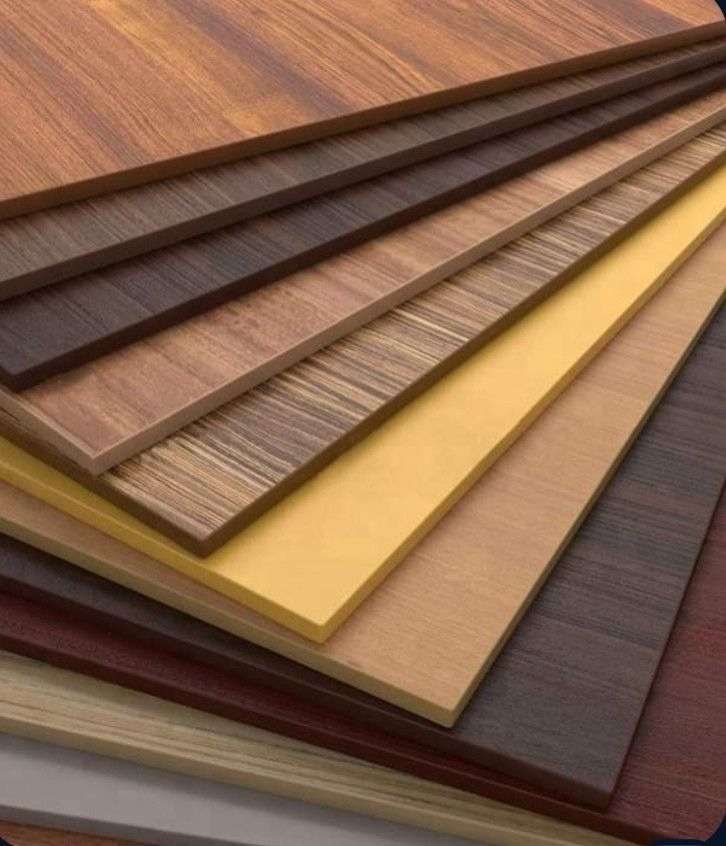
Ever experienced someone asking “I’m getting furniture made…. Which wood should I go for?” And suddenly you realize choosing the right wood for your home isn’t as simple as it sounds. Plywood looks the same to most people, but believe me–behind those flawless wooden sheets may be a whole world of types, qualities, and uses that can make or break your interior.
If you’re planning to renovate, build furniture, or simply update a space, understanding plywood is one of the smartest things you’ll be able to do.
So let’s walk through it, just what actually you need to know.
What Exactly Is Plywood?
Plywood is basically layers of lean wood sheets (called veneers) stuck together.
Why do people love utilizing it?
- It’s stronger than normal wood
- It doesn’t break easily
- It’s more affordable
- It remains steady even in humidity
In short: plywood is the smart middle ground between solid wood (expensive) and low-quality boards (weak).
Main Types of Plywood You’ll Hear About
Not all plywood is made equal, and knowing the types of plywood can save you both cash and inconvenience.
Here are the most common types you’ll experience:
1. Commercial Plywood
This can be the most reasonable alternative, usually made from poplar or eucalyptus. It is reasonable for temporary structures, storage cabinets, or areas where durability isn’t the essential concern.
2. Marine Plywood
If you’re thinking about furniture that might face moisture–like kitchen cabinets or bathroom fittings, marine plywood is a best choice. It is water-resistant and made with higher-quality adhesives, ensuring it won’t easiy delaminate or rot.
3. Shuttering Plywood
Regularly utilized in construction for concrete forms, this plywood is profoundly strong and can bear heavy loads. While not common for home furniture, it’s in some cases utilized for shelving or specialized interior projects.
4. Blockboard
Typically a hybrid of plywood and strong wood, consisting of a core made from softwood strips stuck together and sandwiched between hardwood veneers. It’s perfect for doors, panels, and tabletops where you wish a balance of quality and smooth wrapping up.
How to make Sure You’re Buying Good-Quality Plywood?
Anybody can say yes it’s a waterproof, but here’s how you’ll check:
1. Check the Weight
Great plywood feels slightly heavier since it has more layers and solid bonding.
2. See at the Edges
Layers should look even and firmly packed.
No cracks, no holes.
3. Tap It
An empty sound implies low thickness. A firm sound means good quality.
4. Inquire for Certifications
Search for ISO, ISI marks, they show that the board meets quality standards.
5. Confirm Termite Resistance
Since once termites attack, replacement gets to be 10x more costly than buying great plywood within the first place.
Choosing the Correct Plywood for Your Home
Selecting the proper plywood depends on many basic factors:
Purpose: Are you making furniture, cabinets, or flooring? Furniture can use commercial plywood, whereas damp areas require marine plywood.
Budget: Plywood comes in different grades. BWP (Boiling Water Proof) and BWR (Boiling Water Resistant) are premium types, whereas commercial plywood is more reasonable.
Finish: Some plywood comes with enriching veneers or laminates. These save you the bother of extra finishing.
Durability: Consider the expected wear and tear. Kitchens and bathrooms require more strong, water-resistant choices.
Tips for Maintaining Plywood
Even the best plywood needs care to last long:
- Avoid over the top water exposure, particularly for non-marine plywood.
- Clean spills quickly.
- Use coasters to protect surfaces from scratches and warmth.
- Apply polish or laminate for additional security and improved aesthetics.
Plywood vs. MDF and Particle Board
Numerous individuals wonder about the contrast between plywood, MDF (Medium Density Fiberboard), and particle board. Here’s a simple breakdown:
Plywood is made from lean wood layers and is solid, steady, and safe to moisture.
MDF is made from wood filaments and glue, smooth but less solid, perfect for indoor furniture.
Particle Board is made from wood chips and resin, budget-friendly but not reasonable for sticky areas.
Whereas MDF and particle board are cheaper, plywood remains the favored choice when quality, life span, and flexibility matter.
Why Plywood is a Smart Choice
Quality and Solidness: Its cross-layered development makes it safe to distort and split.
Flexibility: Accessible in different types and thicknesses, suitable for furniture, interiors, and construction.
Cost-Effective: Offers toughness without the high cost of strong wood.
Eco-Friendly Options: Numerous plywood manufacturers now utilize feasible wood sources.
Patex: Your Trusted Plywood Partner
When it comes to high-quality plywood, choosing the correct supplier is just as important as choosing the wood itself.
Patex is a company known for offering premium plywood that meets both residential and commercial needs. Whether you’re searching for marine plywood for your kitchen cabinets or decorative plywood for your furniture,
Patex guarantees top-grade products, fabulous solidness, and competitive pricing. Their ability makes the method of selecting and buying plywood simple and stress-free, so you will be able to focus on turning your house into an excellent home.